
Пульсации напряжения питания, или просто пульсации, — это периодические колебания напряжения или тока в источнике питания. Эти колебания представляют потенциальную угрозу для стабильной работы электрооборудования. Чрезмерные пульсации напряжения питания могут снизить эффективность преобразования энергии в системе, увеличить тепловыделение, а в тяжелых случаях привести к нестабильности системы или даже повреждению микросхемы. Поэтому при проектировании понижающей схемы (BUCK) необходимо принимать меры для уменьшения пульсаций напряжения питания, чтобы обеспечить стабильность системы.
Ниже приведены некоторые распространенные методы снижения пульсаций в понижающем преобразователе напряжения:
Согласно формуле импульсных источников питания, величина колебаний тока внутри индуктора обратно пропорциональна значению индуктивности, а пульсации на выходе обратно пропорциональны значению выходной емкости. Следовательно, увеличение значений индуктивности и выходной емкости может уменьшить пульсации.
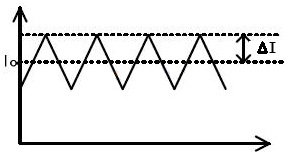
Рисунок 1. Ток индуктора.
На рисунке 1 выше показана форма тока в индукторе L импульсного источника питания. Пульсация тока ΔI может быть рассчитана по следующей формуле. На основе баланса вольт-секунд и других параметров видно, что увеличение значения индуктора L или увеличение частоты переключения может уменьшить колебания тока в индукторе. Аналогично, соотношение между пульсациями на выходе и выходной емкостью: Vripple = Imax/(Co × fsw). Видно, что увеличение значения выходной емкости может уменьшить пульсации.
Обычно в качестве выходного конденсатора используются алюминиевые электролитические конденсаторы для достижения большой емкости. Однако электролитические конденсаторы не очень эффективны в подавлении высокочастотных помех, и их эквивалентное последовательное сопротивление (ESR) относительно велико. Поэтому для компенсации недостатков алюминиевых электролитических конденсаторов параллельно с ними подключают керамический конденсатор.
При работе импульсного источника питания входное напряжение Vin остается постоянным, но ток изменяется в зависимости от положения ключа. При запуске источника питания или резком изменении нагрузки необходим входной конденсатор в качестве временного источника энергии для компенсации мгновенного падения входного напряжения. Обычно конденсатор подключается параллельно к входному клеммному разъему (рядом с ключом в понижающем преобразователе) для обеспечения тока. Входной конденсатор также подавляет пульсации и электромагнитные помехи (ЭМП) от предыдущего источника питания.
После применения вышеуказанного решения импульсный источник питания типа BUCK показан на рисунке ниже:
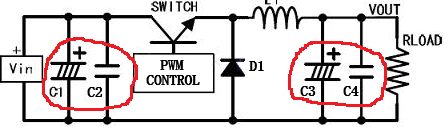 Рисунок 2. Топология BUCK.
Описанный выше подход оказывает ограниченное влияние на снижение пульсаций. Из-за ограничений по размерам индуктор не может быть очень большим; увеличение выходного конденсатора до определенного уровня не оказывает существенного влияния на снижение пульсаций; а увеличение частоты переключения приведет к увеличению потерь при переключении.
LC-фильтры эффективно подавляют шум и пульсации. Выбирая соответствующие индукторы и конденсаторы для построения фильтрующей схемы в зависимости от частоты пульсаций, которые необходимо удалить, можно, как правило, значительно уменьшить пульсации. Однако в этом случае необходимо учитывать точку дискретизации напряжения обратной связи.
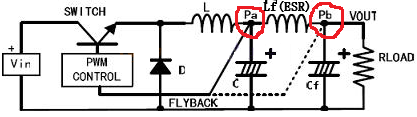 Рисунок 3
Выбор точки выборки до LC-фильтра (Па) приведет к снижению выходного напряжения. Это связано с тем, что любой индуктор имеет сопротивление постоянному току, и при подаче тока на индуктор происходит падение напряжения, что приводит к снижению выходного напряжения источника питания. Кроме того, это падение напряжения изменяется в зависимости от выходного тока. Выбор точки выборки после LC-фильтра (Пб) обеспечит желаемое выходное напряжение. Однако это вводит в систему питания индуктор и конденсатор, что потенциально может повлиять на стабильность контура.
Наиболее распространенная комбинация — BUCK+LDO, которая является наиболее эффективным способом снижения пульсаций и шума. Она обеспечивает постоянное выходное напряжение без необходимости внесения изменений в исходную систему обратной связи, но при этом снижает общую эффективность системы питания и является наиболее дорогой. Ключевым показателем для LDO является PSRR (коэффициент подавления помех от источника питания), который количественно определяет степень передачи изменений на входе на выход. После прохождения через LDO пульсации при переключении обычно составляют менее 10 мВ.

Разводка печатной платы импульсного источника питания также имеет решающее значение для снижения пульсаций. Неправильное размещение компонентов, ненадлежащее заземление или расположение критически важных дорожек вблизи чувствительной к переключателю области могут привести к увеличению пульсаций и высокочастотного шума.
оставить сообщение
Отсканируйте QR-код для отправки в WeChat :